The Andean condor is the heaviest flying bird by typical adult male mass at 12.5 kg, ahead of the trumpeter swan (11.8 kg) and the kori bustard (11.75 kg), as of November 2026. This ranks species that can fly by the average adult male, not the single heaviest individual; record weights, such as the kori bustard’s 19 kg, are shown in their own column. For raptors see The Largest Eagle Species in the World. Flightless birds such as the ostrich and emu are left out.
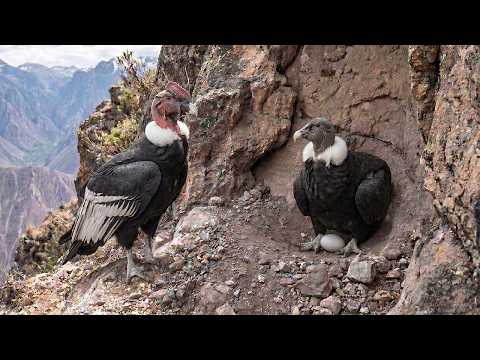
Pictured: the Andean condor, #1 with a typical adult male mass of 12.5 kg, in the thumbnail of a video about its family life.
Rank
Bird
Typical adult male mass (kg)
Typical adult male mass (lb)
Scientific name
Heaviest recorded mass (kg)
Heaviest recorded mass (lb)
Wingspan (m)
Group
Range
Record note and typical-mass basis
1
Andean condor
12.5
27.6
Vultur gryphus
15
33.1
up to 3.3
Condors
South America
Largest males, about 15 kg; typical figure: 12.5
2
Trumpeter swan
11.8
26.0
Cygnus buccinator
17.2
37.9
1.85–3.05
Swans
North America
Largest known male; typical figure: 11.8 (midpoint of 10.9–12.7)
3
Kori bustard
11.75
25.9
Ardeotis kori
19
41.9
2.3–2.75
Bustards
Africa
Guinness-documented 18.1 kg; 19 kg cited by the Smithsonian; typical figure: 11.75 (midpoint of 11.3 and 12.2)
4
Great white pelican
11.45
25.2
Pelecanus onocrotalus
15
33.1
2.26–3.6
Pelicans
Africa & Eurasia
Top of the male range; typical figure: 11.45 (52 males, Uganda)
5
Mute swan
11.2
24.7
Cygnus olor
23
50.7
2.0–2.4
Swans
Europe & Asia
Single Polish cob; reportedly too heavy to fly; typical figure: 11.2 (midpoint of 10.6–11.9)
6
Great bustard
10.8
23.8
Otis tarda
21
46.3
2.1–2.7
Bustards
Europe & Asia
Heaviest verified male, Manchuria; typical figure: 10.8 (midpoint of 9.7–12.0)
7
Whooper swan
10.6
23.4
Cygnus cygnus
15.5
34.2
2.05–2.75
Swans
Europe & Asia
Wintering male, Denmark; typical figure: 10.6 (midpoint of 9.8–11.4)
8
Wandering albatross
9.8
21.6
Diomedea exulans
16.1
35.5
up to 3.7
Albatrosses
Southern Ocean
Immature at first flight; adults up to 12.7 kg; typical figure: 9.8 (midpoint of 8.4–11.1 by colony)
9
Cinereous vulture
9.5
20.9
Aegypius monachus
12.5
27.6
2.5–3.1
Vultures
Europe & Asia
Some sources cite 14 kg; typical figure: 9.5 (sexes combined)
10
Himalayan vulture
9
19.8
Gyps himalayensis
12.5
27.6
2.56–3.1
Vultures
Asia
Top of reported range; typical figure: 9.0 (sexes combined)
11
California condor
8.5
18.7
Gymnogyps californianus
14.1
31.1
2.49–3.0
Condors
North America
Top of reported range; mostly captive birds; typical figure: 8.5 (midpoint of 8–9, sexes combined)
12
Sarus crane
6.7
14.8
Antigone antigone
12
26.5
2.2–2.5
Cranes
Asia & Australia
Top of reported range; the tallest flying bird; typical figure: 6.7 (Australian males)
Typical adult male body mass in kilograms, as of November 2026. This is the statistic ranked, because the single heaviest individual is driven by outliers: the mute swan’s 23 kg record, for example, is one Polish cob that was reportedly too heavy to fly. Where a source gives a range of male averages (by study, season or colony), RList uses the midpoint and the Record note column shows it; the Andean condor, great white pelican and sarus crane use a single published male average. The cinereous vulture, Himalayan vulture and California condor have no published male-only average, so their figures are sexes-combined and flagged. The figures come from species accounts that cite the Handbook of the Birds of the World, the CRC Handbook of Avian Body Masses and Wood’s Guinness Book of Animal Facts and Feats; the record column is cross-checked for the kori bustard and Andean condor against Guinness, the Smithsonian’s National Zoo and the San Diego Zoo.[1][2][4][5] The Birds of the World site itself could not be opened. Rules: flightless birds are excluded, and so are species whose published weights conflict: the Dalmatian pelican, Steller’s sea eagle and the harpy eagle. The heaviest recorded mass is secondary and includes a juvenile (wandering albatross), mostly captive birds (California condor) and a possibly flightless one (mute swan). Species tied on a value share a rank. The list stops at 12.
The Top 10
#1
Andean condor — 12.5 kg
Adult males average about 12.5 kg (28 lb), with a wingspan up to 3.3 m, and the species is called the largest flying land bird by combined weight and wingspan.[2] The heaviest males reach about 15 kg.[5] The IUCN rates it Vulnerable. The video, from BBTV Official, follows a condor family in the Andes.
#2
Trumpeter swan — 11.8 kg
Male averages run 10.9 to 12.7 kg, so the midpoint used here is 11.8 kg (26 lb).[2] The heaviest male on record weighed 17.2 kg, the biggest North American flying bird. The video is the Ripley Waterfowl Conservancy’s species spotlight.
#3
Kori bustard — 11.75 kg
Guinness World Records names it the heaviest flying bird from a documented male of 18.14 kg (40 lb), and the Smithsonian gives males up to 19 kg.[1][4] The typical male is much lighter: Namibian males averaged 11.3 kg and Serengeti males 12.2 kg, a midpoint of 11.75 kg.[2] Claims of 23 to 40 kg are unverified. The video is a fact file on the species.
#4
Great white pelican — 11.45 kg
The average of 52 males at Lake Edward in Uganda was 11.45 kg (25 lb); Palearctic birds are usually near 11 kg, and the male range is 9 to 15 kg.[2] The Dalmatian pelican is often called the larger pelican, but published weights for it conflict, so it is left out. The video is BBC Global’s clip of pelicans feeding.
#5
Mute swan — 11.2 kg
British studies give cob averages of 10.6 to 11.9 kg, a midpoint of 11.2 kg (25 lb).[2] The species also holds the heaviest weight on record for a flying species, a Polish cob of about 23 kg, but that bird was reportedly too heavy to fly. The video is a general introduction to the species.
#6
Great bustard — 10.8 kg
Regional male averages span roughly 9.7 to 12.0 kg (midpoint 10.8 kg), though a male collected in Manchuria weighed about 21 kg.[2][3] The species is rated Endangered by the IUCN as of 2023 per the species account, and Spain and Portugal hold about 60% of the world population. The video covers its reintroduction in Britain.
#7
Whooper swan — 10.6 kg
Male averages of about 9.8 to 11.4 kg give a midpoint of 10.6 kg (23 lb); the record is a wintering Danish male of 15.5 kg.[2] The video is the Wildfowl & Wetlands Trust film on whooper and Bewick’s swans wintering at the Ouse Washes.
#8
Wandering albatross — 9.8 kg
Male averages by colony run from about 8.4 kg on Macquarie Island to 11.1 kg on Île de la Possession, a midpoint of 9.8 kg (22 lb).[2] Young birds of up to 16.1 kg have been recorded around their first flight, still carrying fat, and adults reach 12.7 kg, so the record column reflects a juvenile. Its wingspan of up to 3.7 m is the longest of any living bird. The video is BBC Earth’s clip on albatross flight, not specifically this species.
#9
Cinereous vulture — 9.5 kg
The largest Old World vulture has median weights of 9.42 and 9.55 kg, which are not split by sex, so 9.5 kg is a sexes-combined figure.[2] The listed maximum is 12.5 kg, and some sources go as high as 14 kg. The video is the Vulture Conservation Foundation’s film on its return to Portugal.
#10
Himalayan vulture — 9.0 kg
Published averages are about 9 kg (20 lb) for both sexes combined, within a range of 8 to 12 kg, and the top figure is 12.5 kg.[2] No verified video was available, so an icon is shown.
Guinness World Records, “Heaviest flying bird” (kori bustard, 18.14 kg) — guinnessworldrecords.com.
Species accounts on Wikipedia (mute swan, great bustard, kori bustard, trumpeter swan, whooper swan, wandering albatross, Andean condor, great white pelican, California condor, cinereous vulture, Himalayan vulture, sarus crane, Dalmatian pelican), which cite del Hoyo et al., Handbook of the Birds of the World; Dunning, CRC Handbook of Avian Body Masses; Wood (1983), The Guinness Book of Animal Facts and Feats; and Ferguson-Lees & Christie, Raptors of the World, accessed November 2026 — en.wikipedia.org.
Great bustard (record about 21 kg, Manchuria) — en.wikipedia.org.
Smithsonian’s National Zoo, kori bustard (males 11–19 kg) — nationalzoo.si.edu.
YouTube: A Shot Of Wildlife, Mark 1333, Animal Fact Files, Ripley Waterfowl Conservancy, BBC Earth, WWT, BBTV Official, BBC Global, Vulture Conservation Foundation.